---
title: "Area Rug Cleaning in Fort Mill, SC: A Homeowner's Guide to Getting It Right"
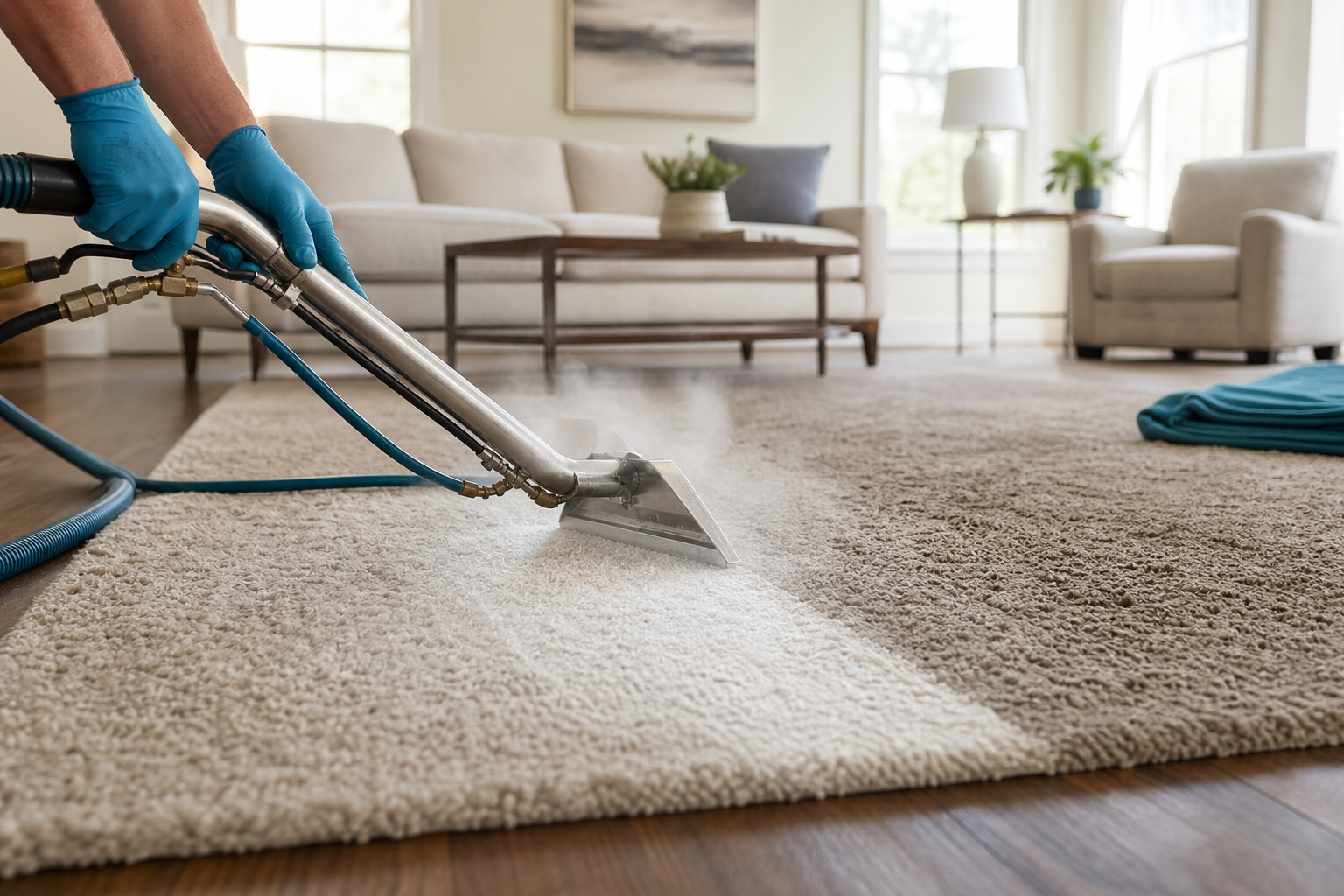
description: Professional area rug cleaning in Fort Mill, SC — hot water extraction removing embedded dirt from a wool rug
image: https://hellovelvo.com/hubfs/AI-Generated%20Media/Images/Hot%20Water%20Extraction%20on%20Wool%20Rug%20in%20Suburban%20Living%20Room.png
---
[Carpet](https://hellovelvo.com/carpet-cleaning) [Upholstery](https://hellovelvo.com/upholstery-cleaning) [Area Rugs](https://hellovelvo.com/area-rug-cleaning) [Commercial](https://hellovelvo.com/commercial-carpet-cleaning) [Blog](https://hellovelvo.com/blog) [About](https://hellovelvo.com/about)
[Text for a quote →](sms:+18434762925?body=Hi%20Velvo!%20I%20would%20like%20to%20get%20a%20free%20quote%20for%20cleaning.)
wool rug cleaning · August 20, 2026 · 8 min read
# Area Rug Cleaning in Fort Mill, SC: A Homeowner's Guide to Getting It Right
Paulo Sucesso
Owner · Velvo
Your area rug ties the room together—until it doesn't. Maybe it's the muddy paw prints tracked in after a walk through your Fort Mill backyard. Maybe it's that faint musty smell that shows up every time the humidity climbs, or the fact that you've vacuumed the same rug every week for two years and it still looks tired. Sound familiar? You're not imagining it, and you're not alone — it's one of the most common frustrations homeowners run into when they start looking into area rug cleaning in Fort Mill, SC.
Area rugs absorb more punishment than almost any other surface in the home. They sit under foot traffic, catch spills, trap pet dander, and soak up whatever gets dragged in from outside — which in York County often means South Carolina's stubborn red clay. Unlike wall-to-wall carpet, most rugs can't just be vacuumed and forgotten. They need a different kind of care, and knowing when to call in a professional can save both the rug and a lot of frustration.
This guide breaks down why rugs get dirty faster than most people expect, what actually works to clean them safely, and when it's time to stop DIY-ing and bring in a pro.
**Tired of a rug that looks dull no matter how often you vacuum?** Velvo's professional area rug cleaning lifts embedded dirt, pet odor, and stains without stressing delicate fibers — restoring the rug's original color and texture instead of just masking three years of wear.
### Why This Problem Happens
Rugs get dirty from the bottom up, not just the top down. Every time someone walks across a rug, they press dust, grit, and skin cells deeper into the pile. Over months, that buildup compacts around the fibers like sandpaper, dulling the surface and wearing down the material from the inside.
Fort Mill adds its own variables. Red clay soil clings to shoes and paws, and it's fine enough to work into rug fibers within a few footsteps. Combine that with the region's humid summers, and rugs — especially wool rugs and other natural-fiber pieces — can hold onto moisture longer than homeowners realize, which sets the stage for musty odors and, in worse cases, mold.
Pets complicate things further. Dogs and cats shed dander that settles deep in the pile, and accidents on a rug don't always show up as a visible stain. Urine can soak into the backing and padding underneath, where it keeps producing odor long after the surface looks clean. This is one of the most common reasons a rug "still smells" even after a homeowner has scrubbed it themselves.
Then there's the rug type itself. Wool rugs react differently to cleaning products than synthetic rugs, and oriental rugs — many of them hand-knotted and dyed with natural pigments — can bleed color if the wrong method or water temperature is used. What works safely on a synthetic area rug can permanently damage a vintage wool piece.
So before reaching for a rented carpet machine or a bottle of spot remover, it helps to know exactly what kind of rug you're dealing with.
### Important Factors Homeowners Should Know
#### Not All Rugs Clean the Same Way
Before attempting any cleaning method, it helps to know what you're working with:
- **Wool rugs** hold soil well but are sensitive to heat, harsh detergents, and over-wetting. They dry slowly, which increases the risk of mildew if not handled correctly.
- **Synthetic rugs** (nylon, polyester, olefin) are generally more forgiving and dry faster, making them more DIY-friendly for light cleaning.
- **Oriental and hand-knotted rugs** often require specialized, low-moisture techniques to protect dye stability and the integrity of hand-tied fibers.
#### Rugs Trap More Than Dirt
According to the Carpet and Rug Institute, rugs and carpets can act as a filter for a home's indoor air, holding onto dust, pollen, and other airborne particles until they're properly extracted. Left unaddressed, that buildup gets stirred back into the air every time someone walks across the rug or a pet curls up on it.
#### Padding Matters More Than People Think
The rug pad underneath absorbs moisture and odor just like the rug itself. A rug that's been professionally cleaned on top but still sits on a soiled, damp pad will often develop odor again within weeks — one reason DIY spot-cleaning sometimes feels like it "doesn't last."
### Practical Solutions
For routine maintenance between deeper cleanings, homeowners can safely handle a few steps at home:
1. **Vacuum both sides regularly.** Flip the rug and vacuum the back every few weeks. This dislodges grit that's worked down into the base, which a top-only vacuum pass never reaches.
2. **Treat spills immediately.** Blot — never rub — with a clean, dry cloth to prevent liquid from spreading into the backing. Rubbing pushes the stain deeper and can distort the fibers.
3. **Test any cleaning product first.** Apply a small amount to a hidden corner and wait several minutes before treating the visible area. This is especially important for wool and oriental rugs, where color bleeding is a real risk.
4. **Rotate the rug every few months.** Even wear reduces the chance of premature thinning in high-traffic zones like entryways and under dining tables.
5. **Air it out seasonally.** In Fort Mill's humid stretches, letting a rug breathe outside (out of direct sun) for a few hours helps release trapped moisture before it becomes an odor problem.
These steps extend the life of a rug between professional visits, but they're maintenance — not a substitute for a full, deep clean. So when does maintenance stop being enough?
### When Professional Cleaning Is Recommended
DIY methods handle surface dirt reasonably well. What they can't do is reach what's trapped in the base of the pile, in the backing, or in the pad underneath — which is exactly where odor-causing bacteria and allergens tend to live.
A few signs it's time to call a professional:
- The rug smells even after vacuuming and spot-cleaning
- Pet stains keep reappearing or the smell returns in humid weather
- The rug is a wool, oriental, or hand-knotted piece you don't want to risk damaging
- Foot traffic areas look visibly worn, matted, or discolored
- The rug hasn't had a deep clean in over a year
Rugs with deep-set pet stains deserve a special note. If urine has fully saturated the padding underneath — not just the visible fibers — a standard cleaning may improve the surface but leave the odor source untouched. As the rug dries, trapped moisture and odor can wick back up to the top, which is why the smell sometimes returns days after a cleaning. That's not a sign of a bad cleaning job — it's a sign the contamination has moved past what surface-level treatment can reach.
If your rug still smells or looks dull after doing everything right at home, professional area rug cleaning uses controlled water temperature, rug-specific solutions, and full extraction to pull dirt and odor out of the base and padding — not just the top of the pile. IICRC-trained technicians can also assess whether a rug needs standard extraction or a more targeted deep treatment for backing-level contamination, so the odor gets resolved rather than temporarily masked. For wool and oriental rugs especially, this protects the fibers and dyes in a way home scrubbing simply can't.
### Area Rug Cleaning Services in Fort Mill, SC
Velvo handles area rug cleaning for homeowners throughout Fort Mill, SC, working directly with wool, synthetic, and oriental rugs using methods matched to each material. That means:
- Deep extraction that removes embedded dirt and allergens, not just surface debris
- Pet stain and odor treatment, including what's absorbed into rug backing
- Fiber-appropriate cleaning that protects wool and hand-knotted rugs from damage
- Full drying support so a rug isn't left damp in Fort Mill's humidity
Every job is handled personally by Paulo or Digiorgia — no subcontractors, no rotating crews. That matters for rugs especially, since a rug's material and condition often call for judgment calls that a rushed or unfamiliar technician might miss. You can see more about how Fort Mill homes are served on the [Velvo Fort Mill area rug cleaning page](https://hellovelvo.com/area-rug-cleaning/fort-mill).
**Ready for a rug that actually looks and smells clean — not just freshened up?** Schedule professional area rug cleaning in Fort Mill with Velvo and get a rug treated at the source of the problem, not just the surface. Paulo and Digiorgia inspect and clean every rug personally, so the person who assesses the damage is the same one doing the work.
### Frequently Asked Questions
**How often should area rugs be professionally cleaned?**
Most homes benefit from professional area rug cleaning every 12–18 months, though homes with pets or heavy foot traffic often need it closer to once a year to prevent odor and fiber wear from building up.
**Can I clean a wool area rug myself?**
Light maintenance like vacuuming is fine, but deep cleaning a wool rug at home risks shrinkage, color bleeding, and fiber damage. Professional rug cleaners in Fort Mill use methods specifically suited to wool's sensitivity.
**Will professional cleaning remove pet odor from my rug?**
In most cases, yes — when the odor source is properly extracted rather than masked. Surface-level urine typically resolves with standard extraction; odor trapped deep in the backing or pad may need a more thorough treatment to fully eliminate rather than temporarily cover.
**Does area rug cleaning help with allergies?**
It can. Rugs trap dust, pollen, and dander deep in the fibers, and professional cleaning removes a significant share of those trapped particles — something regular vacuuming alone typically can't accomplish.
---
*Want the full picture on rug care? See our [complete guide to area rug cleaning](https://hellovelvo.com/blog/area-rug-cleaning-guide), or check out [how to clean an area rug](https://hellovelvo.com/blog/how-clean-area-rug) and [how often you should clean an area rug](https://hellovelvo.com/blog/how-often-clean-area-rug) for more homeowner tips.*
*Sources: [Carpet and Rug Institute](https://carpet-rug.org), [IICRC](https://www.iicrc.org), [City of Fort Mill](https://fortmillsc.gov/), [Visit York County](https://www.visityorkcounty.com/plan/our-cities/fort-mill/)*
[wool rug cleaning](https://hellovelvo.com/blog/tag/wool-rug-cleaning) [pet odor rug cleaning](https://hellovelvo.com/blog/tag/pet-odor-rug-cleaning) [Barefoot Clean Protocol](https://hellovelvo.com/blog/tag/barefoot-clean-protocol) [area rug cleaning Fort Mill SC](https://hellovelvo.com/blog/tag/area-rug-cleaning-fort-mill-sc) [area rug cleaners Fort Mill](https://hellovelvo.com/blog/tag/area-rug-cleaners-fort-mill) [oriental rug cleaning](https://hellovelvo.com/blog/tag/oriental-rug-cleaning) [rug cleaning York County](https://hellovelvo.com/blog/tag/rug-cleaning-york-county) [carpet and rug cleaning](https://hellovelvo.com/blog/tag/carpet-and-rug-cleaning) [Velvo](https://hellovelvo.com/blog/tag/velvo) [professional rug cleaning Fort Mill](https://hellovelvo.com/blog/tag/professional-rug-cleaning-fort-mill) [rug cleaning services Fort Mill](https://hellovelvo.com/blog/tag/rug-cleaning-services-fort-mill) [Fort Mill home services](https://hellovelvo.com/blog/tag/fort-mill-home-services)
“The person on the phone is the person doing the job.”
[Text Paulo for an exact quote →](sms:+18434762925?body=Hi%20Paulo,%20I%27d%20like%20a%20quote.%20Can%20you%20help?)
Keep reading
## Related *articles.*
### [ upholstery cleaning Upholstery Cleaning in Rock Hill SC: A Homeowner's Guide to Cleaner Have you ever flipped a couch cushion and noticed the underside looks like a completely different color? That contrast ... Read →](https://hellovelvo.com/blog/upholstery-cleaning-rock-hill-homeowners-guide)
### [ upholstery cleaning Move Out Upholstery Cleaning in Fort Mill: How to Get Your Full Deposit Back Read →](https://hellovelvo.com/blog/move-out-upholstery-cleaning-fort-mill)
### [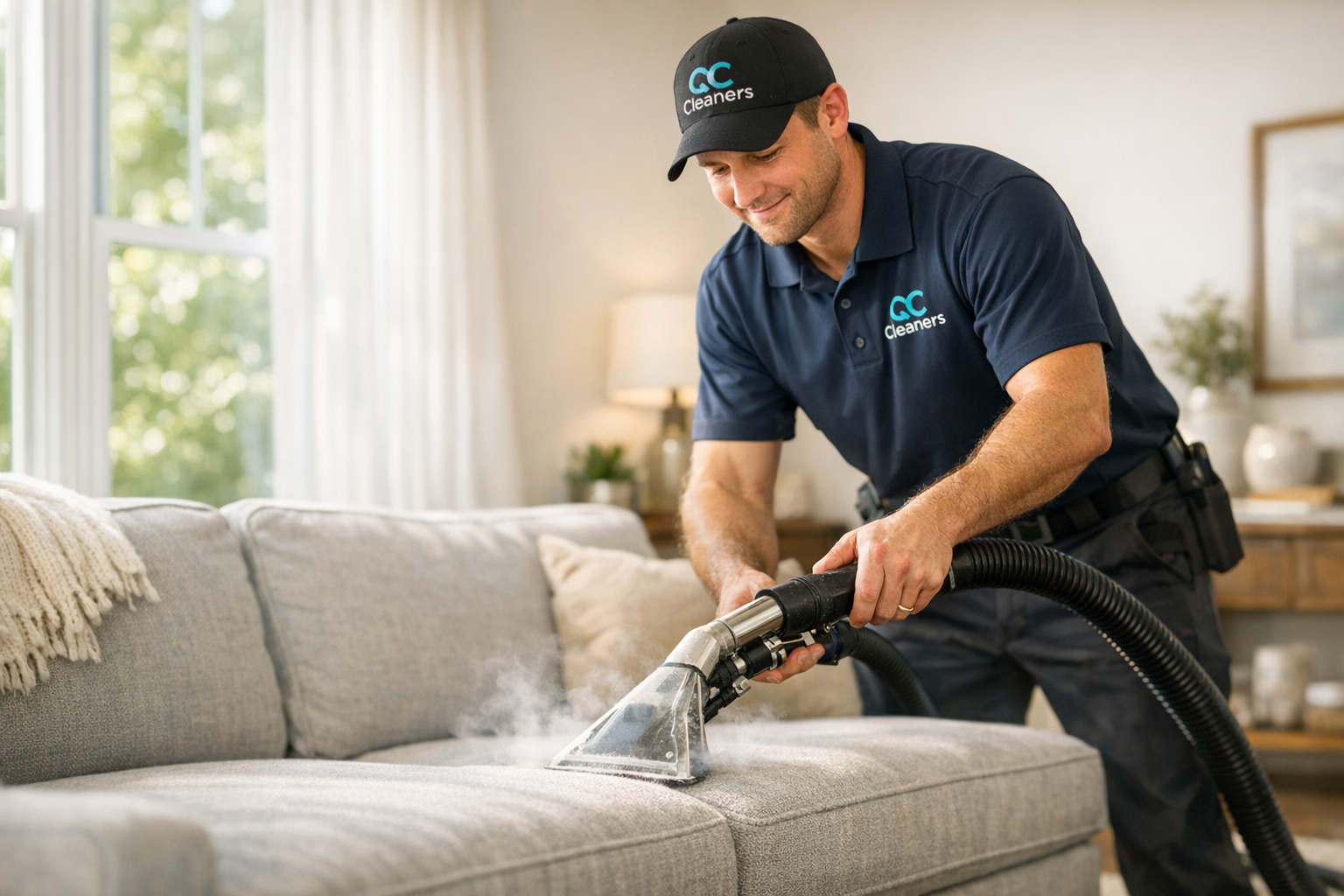 upholstery cleaning How Often Should Upholstery Be Cleaned? A Practical Guide for Charlotte Homeowners Your sofa is probably one of the most-used pieces of furniture in your home. It's where the family gathers after ... Read →](https://hellovelvo.com/blog/how-often-clean-upholstery)
[← Previous Area Rug Cleaning Cost Charlotte: What Homeowners Usually Pay and What Changes the Price](https://hellovelvo.com/blog/area-rug-cleaning-cost-charlotte) [Next → Area Rug Cleaning in Rock Hill, SC: The Homeowner's Guide to a Rug You Can Actually Sit Barefoot On](https://hellovelvo.com/blog/area-rug-cleaning-rock-hill-homeowners-guide)
"Clean enough to sit barefoot."
Book in 60 seconds
[Text for Quote](sms:+18434762925?body=Hi%20Velvo!%20I%20would%20like%20to%20get%20a%20free%20quote%20for%20cleaning.)
Or call — [(843) 476-2925](tel:+18434762925)
Services
- [Carpet cleaning](https://hellovelvo.com/carpet-cleaning)
- [Upholstery](https://hellovelvo.com/upholstery-cleaning)
- [Area rugs](https://hellovelvo.com/area-rug-cleaning)
- [Commercial](https://hellovelvo.com/commercial-carpet-cleaning)
Where we work
- Fort Mill SC
- Rock Hill SC
- Charlotte NC
- [All areas →](https://hellovelvo.com/areas-we-serve)
The company
- [About Paulo & Digiorgia](https://hellovelvo.com/about)
- [Our Story](https://hellovelvo.com/about/our-story)
- [Barefoot Clean Protocol™](https://hellovelvo.com/about/how-we-work)
- [Journal](https://hellovelvo.com/blog)
Reach us
- [(843) 476-2925](tel:+18434762925)
- [hello@hellovelvo.com](mailto:hello@hellovelvo.com)
- 510 Brafferton Pl, Fort Mill SC
- Mon–Fri 8a–9p · Sat 8a–2p
Follow
© 2026 Velvo LLC · Family-owned · Manaus → Fort Mill [Privacy](https://hellovelvo.com/privacy-policy) · [Terms](https://hellovelvo.com/terms-of-use)
```json
{
"@context" : "https://schema.org",
"@type" : "BlogPosting",
"author" : {
"@type" : "Person",
"name" : "Paulo Sucesso",
"url" : "https://hellovelvo.com/blog/author/paulo-sucesso"
},
"dateModified" : "2026-08-20T14:25:28.281Z",
"datePublished" : "2026-08-20T14:25:28.000Z",
"headline" : "Area Rug Cleaning in Fort Mill, SC: A Homeowner's Guide to Getting It Right",
"image" : [ "https://hellovelvo.com/hubfs/AI-Generated%20Media/Images/Hot%20Water%20Extraction%20on%20Wool%20Rug%20in%20Suburban%20Living%20Room.png" ],
"mainEntityOfPage" : {
"@id" : "https://hellovelvo.com/blog/area-rug-cleaning-fort-mill-homeowners-guide",
"@type" : "WebPage"
},
"publisher" : {
"@type" : "Organization",
"logo" : {
"@type" : "ImageObject",
"url" : "https://hellovelvo.com/hubfs/Logo-velvo-Wordmark.png"
},
"name" : "Velvo | Carpet And Upholstery Cleaning"
}
}
```
```json
{
"@context" : "https://schema.org",
"@id" : "https://hellovelvo.com/#localbusiness",
"@type" : "LocalBusiness",
"address" : {
"@type" : "PostalAddress",
"addressCountry" : "US",
"addressLocality" : "Fort Mill",
"addressRegion" : "SC",
"postalCode" : "29708",
"streetAddress" : "510 Brafferton Pl"
},
"aggregateRating" : {
"@type" : "AggregateRating",
"bestRating" : "5",
"ratingValue" : "5.0",
"reviewCount" : "20",
"worstRating" : "1"
},
"areaServed" : [ {
"@type" : "City",
"name" : "Charlotte"
}, {
"@type" : "City",
"name" : "Fort Mill"
}, {
"@type" : "City",
"name" : "Rock Hill"
} ],
"description" : "Professional carpet and upholstery cleaning services. Expert stain removal and deep cleaning serving Charlotte, NC, Fort Mill, SC, and surrounding areas.",
"geo" : {
"@type" : "GeoCoordinates",
"latitude" : 35.0346,
"longitude" : -80.9723
},
"image" : "https://hellovelvo.com/hubfs/Logo-velvo-Wordmark.png",
"name" : "Velvo | Carpet and Upholstery Cleaning",
"openingHoursSpecification" : [ {
"@type" : "OpeningHoursSpecification",
"closes" : "21:00",
"dayOfWeek" : [ "Monday", "Tuesday", "Wednesday", "Thursday", "Friday" ],
"opens" : "08:00"
}, {
"@type" : "OpeningHoursSpecification",
"closes" : "14:00",
"dayOfWeek" : [ "Saturday" ],
"opens" : "08:00"
} ],
"priceRange" : "$$",
"review" : [ {
"@type" : "Review",
"author" : {
"@type" : "Person",
"name" : "Angie Toth"
},
"datePublished" : "2026-06-01",
"itemReviewed" : {
"@type" : "LocalBusiness",
"name" : "Velvo | Carpet and Upholstery Cleaning"
},
"reviewBody" : "We had a great experience with Velvo. The team was professional, friendly, and arrived on time. They did an excellent job cleaning our carpets. The process was smooth and efficient. We highly recommend Velvo.",
"reviewRating" : {
"@type" : "Rating",
"bestRating" : "5",
"ratingValue" : "5"
}
}, {
"@type" : "Review",
"author" : {
"@type" : "Person",
"name" : "James Wright"
},
"datePublished" : "2026-05-12",
"itemReviewed" : {
"@type" : "LocalBusiness",
"name" : "Velvo | Carpet and Upholstery Cleaning"
},
"reviewBody" : "Great job, on time and polite did excellent work. I highly recommend Velvo carpet cleaning. He cleaned our carpets and couch. Just did an awesome job.",
"reviewRating" : {
"@type" : "Rating",
"bestRating" : "5",
"ratingValue" : "5"
}
}, {
"@type" : "Review",
"author" : {
"@type" : "Person",
"name" : "Carolina Acosta"
},
"datePublished" : "2026-04-21",
"itemReviewed" : {
"@type" : "LocalBusiness",
"name" : "Velvo | Carpet and Upholstery Cleaning"
},
"reviewBody" : "Thank you, Paulo - Velvo Carpet Cleaning, for your excellent work. You are kind, honest, and truly dedicated. My carpets look like new again. I highly recommend your services!",
"reviewRating" : {
"@type" : "Rating",
"bestRating" : "5",
"ratingValue" : "5"
}
}, {
"@type" : "Review",
"author" : {
"@type" : "Person",
"name" : "Jackie Raichandani"
},
"datePublished" : "2026-04-21",
"itemReviewed" : {
"@type" : "LocalBusiness",
"name" : "Velvo | Carpet and Upholstery Cleaning"
},
"reviewBody" : "They did an amazing job very professional.",
"reviewRating" : {
"@type" : "Rating",
"bestRating" : "5",
"ratingValue" : "5"
}
}, {
"@type" : "Review",
"author" : {
"@type" : "Person",
"name" : "M Houssman"
},
"datePublished" : "2026-04-07",
"itemReviewed" : {
"@type" : "LocalBusiness",
"name" : "Velvo | Carpet and Upholstery Cleaning"
},
"reviewBody" : "Velvo did a great job. Very good communication and pricing. They cleaned our carpet on the second floor and now it looks like new. No stains or odors!",
"reviewRating" : {
"@type" : "Rating",
"bestRating" : "5",
"ratingValue" : "5"
}
}, {
"@type" : "Review",
"author" : {
"@type" : "Person",
"name" : "Jessie Hollett"
},
"datePublished" : "2026-01-26",
"itemReviewed" : {
"@type" : "LocalBusiness",
"name" : "Velvo | Carpet and Upholstery Cleaning"
},
"reviewBody" : "We had a wonderful experience having our sectional couch cleaned with Velvo. Very kind and hardworking husband and wife team with heavy duty professional gear.",
"reviewRating" : {
"@type" : "Rating",
"bestRating" : "5",
"ratingValue" : "5"
}
}, {
"@type" : "Review",
"author" : {
"@type" : "Person",
"name" : "Elizabeth Lambert"
},
"datePublished" : "2026-01-26",
"itemReviewed" : {
"@type" : "LocalBusiness",
"name" : "Velvo | Carpet and Upholstery Cleaning"
},
"reviewBody" : "Paulo did an excellent job on our family room carpet and 2 upholstered chairs. He was very polite and very professional. I highly recommend him!",
"reviewRating" : {
"@type" : "Rating",
"bestRating" : "5",
"ratingValue" : "5"
}
}, {
"@type" : "Review",
"author" : {
"@type" : "Person",
"name" : "Jmatt17 M"
},
"datePublished" : "2026-01-19",
"itemReviewed" : {
"@type" : "LocalBusiness",
"name" : "Velvo | Carpet and Upholstery Cleaning"
},
"reviewBody" : "Carpets came out clean and fresh. Appreciate the hard work!",
"reviewRating" : {
"@type" : "Rating",
"bestRating" : "5",
"ratingValue" : "5"
}
}, {
"@type" : "Review",
"author" : {
"@type" : "Person",
"name" : "Nina Cymone"
},
"datePublished" : "2025-06-07",
"itemReviewed" : {
"@type" : "LocalBusiness",
"name" : "Velvo | Carpet and Upholstery Cleaning"
},
"reviewBody" : "Loved the service!",
"reviewRating" : {
"@type" : "Rating",
"bestRating" : "5",
"ratingValue" : "5"
}
}, {
"@type" : "Review",
"author" : {
"@type" : "Person",
"name" : "Starz Starz"
},
"datePublished" : "2025-04-30",
"itemReviewed" : {
"@type" : "LocalBusiness",
"name" : "Velvo | Carpet and Upholstery Cleaning"
},
"reviewBody" : "I had my carpets and staircases done today by Paulo. They did an excellent job. Everything looks brand new and smells fresh. I highly recommend them for your home!",
"reviewRating" : {
"@type" : "Rating",
"bestRating" : "5",
"ratingValue" : "5"
}
}, {
"@type" : "Review",
"author" : {
"@type" : "Person",
"name" : "Paloma Fontes"
},
"datePublished" : "2025-04-21",
"itemReviewed" : {
"@type" : "LocalBusiness",
"name" : "Velvo | Carpet and Upholstery Cleaning"
},
"reviewBody" : "Very good service and they are kind. I really recommend!",
"reviewRating" : {
"@type" : "Rating",
"bestRating" : "5",
"ratingValue" : "5"
}
}, {
"@type" : "Review",
"author" : {
"@type" : "Person",
"name" : "Henrique Bisneto"
},
"datePublished" : "2025-03-28",
"itemReviewed" : {
"@type" : "LocalBusiness",
"name" : "Velvo | Carpet and Upholstery Cleaning"
},
"reviewBody" : "Thank you for the excellent work on my home. I highly recommend it.",
"reviewRating" : {
"@type" : "Rating",
"bestRating" : "5",
"ratingValue" : "5"
}
}, {
"@type" : "Review",
"author" : {
"@type" : "Person",
"name" : "Elham Mori"
},
"datePublished" : "2024-12-30",
"itemReviewed" : {
"@type" : "LocalBusiness",
"name" : "Velvo | Carpet and Upholstery Cleaning"
},
"reviewBody" : "I couldn't be happier with the service I received from Paulo! They went above and beyond to make sure my carpets looked brand new. The team was punctual, professional, and incredibly thorough. They were able to remove stains I thought would never come out and left my home smelling fresh and clean. I highly recommend them to anyone looking for top-notch carpet cleaning.",
"reviewRating" : {
"@type" : "Rating",
"bestRating" : "5",
"ratingValue" : "5"
}
}, {
"@type" : "Review",
"author" : {
"@type" : "Person",
"name" : "Ram Mogili"
},
"datePublished" : "2024-11-23",
"itemReviewed" : {
"@type" : "LocalBusiness",
"name" : "Velvo | Carpet and Upholstery Cleaning"
},
"reviewBody" : "Paulo provided an excellent service, definitely recommend.",
"reviewRating" : {
"@type" : "Rating",
"bestRating" : "5",
"ratingValue" : "5"
}
}, {
"@type" : "Review",
"author" : {
"@type" : "Person",
"name" : "YH Wright"
},
"datePublished" : "2024-11-09",
"itemReviewed" : {
"@type" : "LocalBusiness",
"name" : "Velvo | Carpet and Upholstery Cleaning"
},
"reviewBody" : "I recently had the pleasure of using this carpet cleaning service for my home, and I can't recommend them highly enough! The booking process was incredibly straightforward. When the team arrived, they were punctual, professional, and well-equipped. My carpets, which had seen years of wear and tear, looked brand new. They tackled stubborn stains and odors with ease. I will definitely be using them again in the future!",
"reviewRating" : {
"@type" : "Rating",
"bestRating" : "5",
"ratingValue" : "5"
}
}, {
"@type" : "Review",
"author" : {
"@type" : "Person",
"name" : "Kate Duncan"
},
"datePublished" : "2024-11-07",
"itemReviewed" : {
"@type" : "LocalBusiness",
"name" : "Velvo | Carpet and Upholstery Cleaning"
},
"reviewBody" : "Very kind, professional, and reasonably priced father-and-son team. They responded quickly and did a fantastic job on our carpets! Highly recommend!",
"reviewRating" : {
"@type" : "Rating",
"bestRating" : "5",
"ratingValue" : "5"
}
}, {
"@type" : "Review",
"author" : {
"@type" : "Person",
"name" : "Gabriel Queiroz"
},
"datePublished" : "2024-10-23",
"itemReviewed" : {
"@type" : "LocalBusiness",
"name" : "Velvo | Carpet and Upholstery Cleaning"
},
"reviewBody" : "Velvo was one of the best experiences I've had with carpet cleaning. They are extremely detail-oriented. My apartment looks brand new. I highly recommend Velvo!",
"reviewRating" : {
"@type" : "Rating",
"bestRating" : "5",
"ratingValue" : "5"
}
}, {
"@type" : "Review",
"author" : {
"@type" : "Person",
"name" : "Cris Alberto"
},
"datePublished" : "2024-10-23",
"itemReviewed" : {
"@type" : "LocalBusiness",
"name" : "Velvo | Carpet and Upholstery Cleaning"
},
"reviewBody" : "The best carpet clean company ever. I was about to replace the carpet of my whole home and I decided to give it a chance and now my house smells fresh and clean and I save thousands of dollars. They are very professional and finish the service on time.",
"reviewRating" : {
"@type" : "Rating",
"bestRating" : "5",
"ratingValue" : "5"
}
}, {
"@type" : "Review",
"author" : {
"@type" : "Person",
"name" : "Susan"
},
"datePublished" : "2024-10-11",
"itemReviewed" : {
"@type" : "LocalBusiness",
"name" : "Velvo | Carpet and Upholstery Cleaning"
},
"reviewBody" : "These guys are the bomb! The carpet is like new and smells so good. They were prompt and courteous. Will definitely use them again!",
"reviewRating" : {
"@type" : "Rating",
"bestRating" : "5",
"ratingValue" : "5"
}
}, {
"@type" : "Review",
"author" : {
"@type" : "Person",
"name" : "Fabio Nolasco"
},
"datePublished" : "2024-10-11",
"itemReviewed" : {
"@type" : "LocalBusiness",
"name" : "Velvo | Carpet and Upholstery Cleaning"
},
"reviewBody" : "Very professional team and excellent prices! I highly recommend their services.",
"reviewRating" : {
"@type" : "Rating",
"bestRating" : "5",
"ratingValue" : "5"
}
} ],
"sameAs" : [ "https://www.instagram.com/hello.velvo/", "https://www.facebook.com/hello.velvo", "https://wa.me/18434762925", "https://www.linkedin.com/company/velvo", "https://nextdoor.com/page/velvo-carpet-and-upholstery-cleaning-fort-mill-sc", "https://x.com/HelloVelvo", "https://www.tiktok.com/@hello.velvo", "https://www.youtube.com/@hellovelvo", "https://www.pinterest.com/hellovelvo/", "https://www.threads.com/@hello.velvo", "https://share.google/EansHPzC1FQkYuDwz" ],
"telephone" : "+1-843-476-2925",
"url" : "https://hellovelvo.com/"
}
```
```json
{
"@context" : "https://schema.org",
"@type" : "FAQPage",
"mainEntity" : [ {
"@type" : "Question",
"acceptedAnswer" : {
"@type" : "Answer",
"text" : "Most homes benefit from professional area rug cleaning every 12–18 months, though homes with pets or heavy foot traffic often need it closer to once a year to prevent odor and fiber wear from building up."
},
"name" : "How often should area rugs be professionally cleaned?"
}, {
"@type" : "Question",
"acceptedAnswer" : {
"@type" : "Answer",
"text" : "Light maintenance like vacuuming is fine, but deep cleaning a wool rug at home risks shrinkage, color bleeding, and fiber damage. Professional rug cleaners in Fort Mill use methods specifically suited to wool's sensitivity."
},
"name" : "Can I clean a wool area rug myself?"
}, {
"@type" : "Question",
"acceptedAnswer" : {
"@type" : "Answer",
"text" : "In most cases, yes. Surface-level urine typically resolves with standard extraction; odor trapped deep in the backing or pad may need a more thorough treatment to fully eliminate rather than temporarily cover."
},
"name" : "Will professional cleaning remove pet odor from my rug?"
}, {
"@type" : "Question",
"acceptedAnswer" : {
"@type" : "Answer",
"text" : "It can. Rugs trap dust, pollen, and dander deep in the fibers, and professional cleaning removes a significant share of those trapped particles — something regular vacuuming alone typically can't accomplish."
},
"name" : "Does area rug cleaning help with allergies?"
} ]
}
```