You blot it fast. You grab whatever cleaner is under the sink. You think you got it — until the rug dries and the stain reappears, sometimes darker than before.
That's the frustrating reality of removing stains from area rugs. Between kids tracking red clay through the back door, pets having accidents on your favorite wool rug, and the occasional wine spill during movie night, stains are basically inevitable. The problem isn't just the stain itself — it's that most home cleaning attempts don't fully reach where the liquid actually went.
The good news: most rug stains can be treated at home if you act fast and use the right method for your specific rug. The not-so-good news: area rugs vary dramatically by fiber type, and using the wrong product on the wrong material can permanently set a stain, cause color bleeding, or damage the backing — making things worse than the original spill.
This guide walks you through how to remove stains from area rugs the right way, based on fiber type and stain category.
Dealing with a stain that won't budge no matter what you try? Velvo offers professional area rug cleaning in Charlotte, NC — with enzyme treatments and hot water extraction calibrated for wool, synthetic, and natural fiber rugs. Pickup and delivery available. Schedule your cleaning →
Why Area Rug Stains Are Harder to Remove Than You Think
Here's what most people don't realize: when liquid hits an area rug, it rarely stays at the surface.
Most area rugs have a dense pile and a fabric or latex backing that acts like a sponge — trapping liquid inside the rug body and sometimes pushing it all the way through to the floor underneath. So when you blot the surface dry, you may only be cleaning the top third of the problem.
The rest creates a wicking issue. As the rug dries, the moisture sitting in the backing travels upward through the fibers — pulling dissolved pigments, salts, and soil with it. What looks spotless right after treatment can reappear as a yellow ring or dark shadow once the rug fully dries. This is especially common with pet urine, coffee, and red wine.
Fiber type compounds the problem. Wool rugs are naturally soil-resistant, but wool is also protein-based — and certain enzyme cleaners formulated for pet stains can break down wool fibers rather than the stain. Synthetic rugs (nylon, polyester, polypropylene) are generally more forgiving, but they re-soil easily if any soap residue is left in the pile after cleaning.
Natural fiber rugs — jute, sisal, seagrass — are the most sensitive of all. Water alone can cause jute to shrink, brown, or develop mildew in humid conditions like Charlotte summers. For anything beyond a light surface stain, these rugs almost always need professional attention.
What You Need Before You Start
Resist the urge to grab the first cleaner you see. The wrong product at the wrong dilution can lock a stain in permanently — especially on wool or natural fibers.
For most area rug stains, these are the right tools:
- White cloths or paper towels — colored cloths can transfer dye onto wet fibers
- Mild dish soap (clear, unscented, non-antibacterial)
- White vinegar — useful for odor neutralization and mild stains on synthetic rugs
- Baking soda — absorbs moisture and helps neutralize odor after liquid stains
- Cold water — always cold; hot water sets protein-based stains like blood, urine, and egg
- Enzyme-based cleaner — essential for pet urine; look specifically for products with live bacterial cultures, not just odor masking fragrance
A few firm rules before you begin: avoid anything with bleach unless the rug is 100% white synthetic. Avoid hydrogen peroxide on wool or natural dyes — it can pull color from the fiber permanently, and that damage can't be reversed.
How to Remove Common Area Rug Stains
Food and Drink Stains (Coffee, Wine, Juice)
Speed matters more than anything else here. The longer liquid sits in the pile, the deeper it migrates toward the backing — and the harder it becomes to fully extract.
- Blot immediately — never rub. Use a clean white cloth and press firmly to absorb as much liquid as possible. Always work from the outer edge of the stain inward to avoid spreading it.
- Mix a mild cleaning solution — one teaspoon of clear dish soap in two cups of cold water.
- Apply with a cloth, not directly onto the rug. Dampen the cloth with the solution and blot the stain gently. Applying liquid directly can over-saturate the backing.
- Rinse carefully. Use a separate clean cloth dampened with plain cold water to blot out the soap residue. This step matters — soap left in the fibers acts like a dirt magnet over time.
- Dry quickly. Press dry towels over the treated area and weigh them down for 10–15 minutes to pull moisture out of the pile. Then allow the rug to air dry with airflow beneath it. In Charlotte's humid summers, a box fan or a shaded spot outside speeds drying significantly.
One useful trick for fresh red wine: sprinkle a generous layer of salt directly on the spill before blotting. Salt draws moisture upward, giving you more to blot away before it reaches the backing.
Pet Urine Stains
Pet urine is a two-problem situation — the visible stain and the odor — and each requires a different approach.
Fresh urine is acidic and relatively straightforward to treat with enzyme cleaners. Aged urine is a different matter. Over time, bacteria break down the urea in urine and convert it to ammonia, pushing the pH up to 10 or higher. This creates alkaline salt crystals that bond tightly to rug fibers. Those crystals are hygroscopic — they absorb ambient moisture — which is why the smell comes back every time humidity rises. In Charlotte's climate, that means regularly throughout spring and summer.
- Blot as thoroughly as possible before doing anything else.
- Apply an enzyme cleaner formulated with live bacterial cultures. These break down the uric acid crystals at a molecular level — odor maskers only cover the smell temporarily. Follow the product's dwell time instructions (usually 10–20 minutes).
- Extract the solution. Blot out the enzyme cleaner with clean dry cloths. A wet/dry vacuum works well for larger spots.
- Rinse with cold water and blot dry.
- Once mostly dry, apply baking soda over the area to neutralize any remaining odor compounds. Vacuum after 30–60 minutes.
If urine has soaked through to the floor under the rug, the rug cleaning is only half the job. The flooring beneath will need treatment too — otherwise the odor source remains even after the rug is clean.
Mud and Red Clay
This is one of the most common rug problems in Charlotte-area homes, especially with dogs and kids who spend time outdoors. The natural instinct is to clean it right away. Don't.
Wet mud smears and spreads deeper into the fibers under pressure. Let it dry completely first. Once it's fully dry, vacuum away as much of the loose debris as possible — this removes the bulk of the material without pushing it further into the pile.
Treat the remaining discoloration with the mild dish soap solution, blotting gently. Red clay in particular tends to hold color. If a light tint remains after the rug dries, a second round of treatment is almost always more effective than scrubbing harder on the first pass.
Grease and Oil
Grease requires a slightly different first step. Before applying any liquid cleaner, sprinkle baking soda or cornstarch generously over the stain and let it sit for 15–20 minutes. It absorbs the oil before it can spread or be pushed deeper by a cleaning solution. Vacuum it away completely.
Then apply a small amount of clear dish soap to a clean cloth — not directly to the rug — and work it gently into the stain. Dish soap's surfactants are specifically designed to break the bond between oil and fiber. Blot with clean cloths and rinse thoroughly with cold water to remove all soap residue.
When DIY Isn't Enough
Home cleaning methods work well within a specific range of conditions: fresh stains, synthetic or durable wool rugs, single-incident spills. Outside that range, knowing when to stop is just as important as knowing what to try.
These situations genuinely call for professional cleaning:
- The stain has been sitting for weeks or longer
- You've attempted multiple treatments without improvement
- The rug contains wool, silk, or natural fibers like jute or sisal
- Pet urine has soaked through to the backing and the odor keeps returning
- The rug has significant monetary, antique, or sentimental value
- Color bleeding or fiber distortion has already started from prior cleaning attempts
That last point matters. Aggressive DIY cleaning on a wool or natural fiber rug after a failed first treatment often causes irreversible fiber damage. Professional restoration may be the only option left — and depending on what was already applied, it may not be able to undo the damage from the home treatment.
The Carpet and Rug Institute and IICRC both publish fiber-specific cleaning standards that professional cleaners follow. These exist precisely because the gap between treating a synthetic rug and a hand-knotted wool rug is significant.
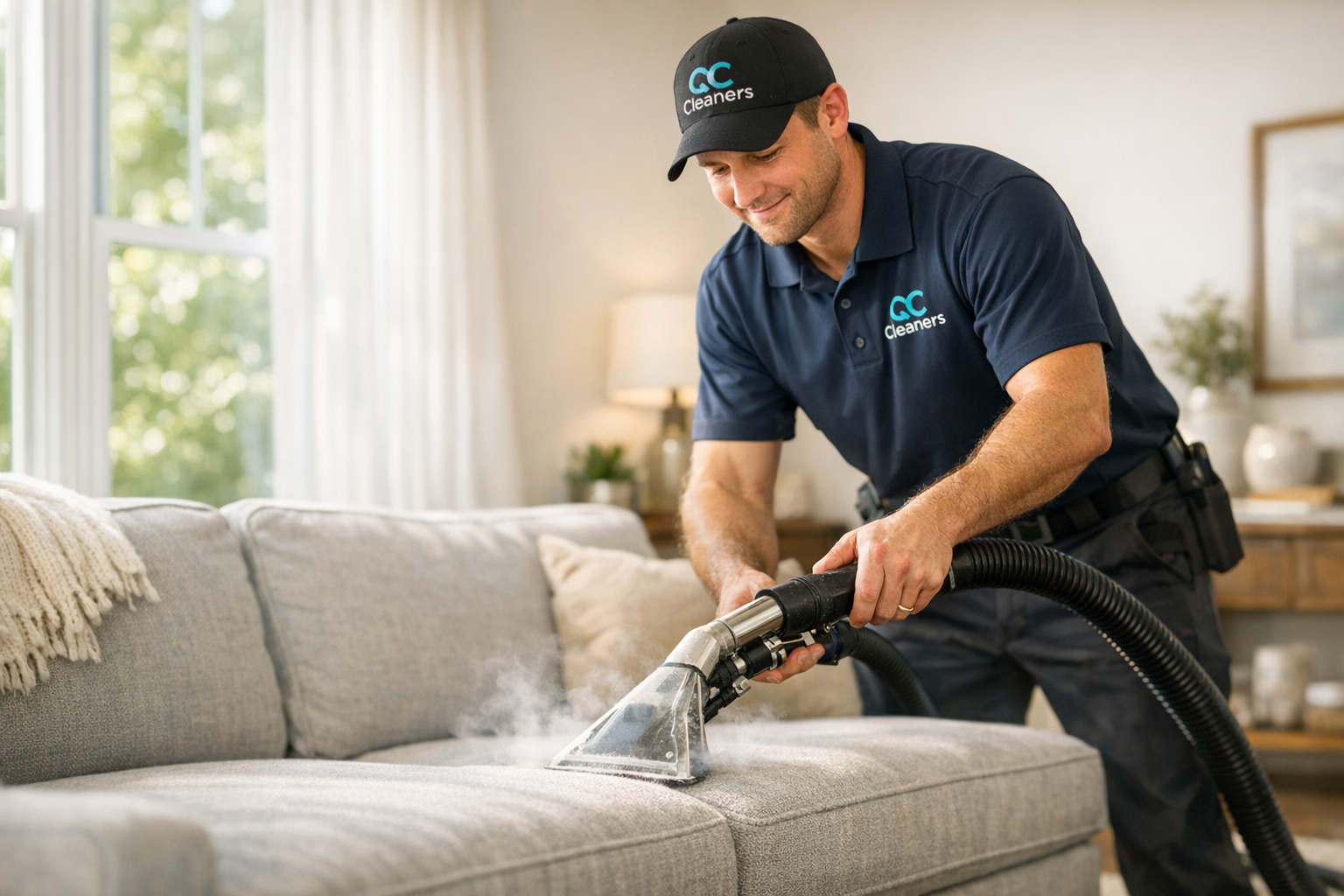
If you've treated the same spot twice and the stain is still coming back, the problem is below the surface — not on it. Velvo's professional area rug cleaning uses hot water extraction and enzyme treatments calibrated to your rug's fiber type, reaching the backing where DIY methods can't. The result is a rug that's actually clean, not just clean-looking. See how it works →
Professional Area Rug Cleaning in Charlotte, NC
For rugs that have absorbed years of foot traffic, recurring pet accidents, or deeply set stains, professional cleaning delivers a level of restoration that home methods simply can't replicate. The difference isn't just equipment — it's understanding how different fibers, dyes, and backing constructions respond to heat, extraction pressure, and chemistry.
Velvo serves homeowners across Charlotte, Fort Mill, and Rock Hill with professional area rug cleaning calibrated to the rug, not just the stain. Every job is handled personally by Paulo or Digiorgia — no subcontractors, no guesswork on pricing.
For Charlotte-area homes, pickup and delivery is available for rugs that need deep facility cleaning — especially important for wool rugs that can't be safely saturated in place and require controlled drying conditions.
Learn more about area rug cleaning in Charlotte →
For a broader look at rug care and maintenance, the complete area rug cleaning guide covers fiber types, cleaning frequency, and what to expect from professional treatment. You can also read more about how to clean an area rug at home and how often area rugs should be professionally cleaned.
Your rug should feel as clean as it looks. Velvo removes deep stains, pet odors, and embedded allergens from area rugs across Charlotte — with pickup and delivery included. Call (843) 476-2925 or visit hellovelvo.com to get started.
Clean enough to sit barefoot.
Frequently Asked Questions
Can I use baking soda and vinegar to remove stains from an area rug?
Yes, for mild stains and odors on synthetic rugs. Baking soda absorbs moisture and neutralizes odor; white vinegar helps break down light surface stains. Do not use vinegar on wool or natural fiber rugs — the acidity can degrade delicate fibers over time and cause permanent damage.
How do I remove old, dried stains from an area rug?
Start by rehydrating the dried stain with a small amount of cold water to loosen the dried residue. Then apply an appropriate cleaner based on stain type — enzyme cleaner for pet or protein stains, mild dish soap solution for food and drink. Older stains often require two or three treatment cycles rather than one aggressive scrub. For stains that have been set for months, professional cleaning gives you the best realistic chance of full or near-full removal.
Is it safe to steam clean area rugs at home?
On durable synthetic rugs, consumer steam cleaners can be used with care. They are generally not safe for wool, silk, or natural fiber rugs — excess heat and moisture can cause shrinkage, color bleeding, or backing separation. Professional steam cleaning uses temperature-calibrated equipment and controlled extraction to deliver deep cleaning without those risks.
Why does my rug stain keep coming back after I clean it?
This is a wicking problem. When liquid initially soaks into the rug, it migrates into the backing and sometimes the floor below. Treating only the surface removes what you can see — but as the rug dries, that deeper moisture travels back up through the fibers, carrying dissolved pigments and salts with it. Permanently resolving a wicking stain requires extracting moisture from the rug body itself, not just the surface layer — which is why professional wet extraction equipment is typically necessary.